Ingredients & Clinicals
Cosmetic vs Drug Claims in Beauty
Cosmetic claims describe how a beauty product changes appearance or feel; drug claims promise to diagnose, treat, cure, prevent, or alter body structure or function.
card 01
The line begins with intended use

for the marketer
Cosmetics improve how skin looks and feels. Drug claims promise to change structure, function, or a condition.
for the professional
The same formula can be positioned differently by the words around it. “Looks firmer” describes appearance. “Builds collagen” claims a structural action. “Helps skin look clearer” is cosmetic; “treats acne” names a condition.
Our advantage is precise beauty language backed by real evidence.
for the skintellectual
Under the FD&C Act, intended use separates a cosmetic from a drug. A cosmetic cleanses, beautifies, or alters appearance. A drug claim says the product affects the body's structure or function or diagnoses, treats, mitigates, or prevents disease.
FDA reads intended use from the total presentation: labels, pages, demonstrations, captions, and spoken claims. One physiological promise can change the category of the product being sold.
card 02
The verb decides the claim
for the marketer
Choose verbs a client can see: looks smoother, appears firmer, feels hydrated, looks more radiant.
for the professional
Start with what the client wants to see. “Helps skin look firmer” preserves the beauty benefit; “builds collagen” changes it into a structural promise. Keep the contrast clear. The Golden Rule lesson turns that distinction into a repeatable writing method.
for the skintellectual
Structure/function verbs include stimulates, produces, rebuilds, repairs, and reactivates when the object is tissue, collagen, cells, or a bodily process. Treatment verbs include cures, heals, prevents, and treats. Translate the mechanism into the visible outcome the finished cosmetic supports.
card 03
Ingredient science and product claims are different objects
for the marketer
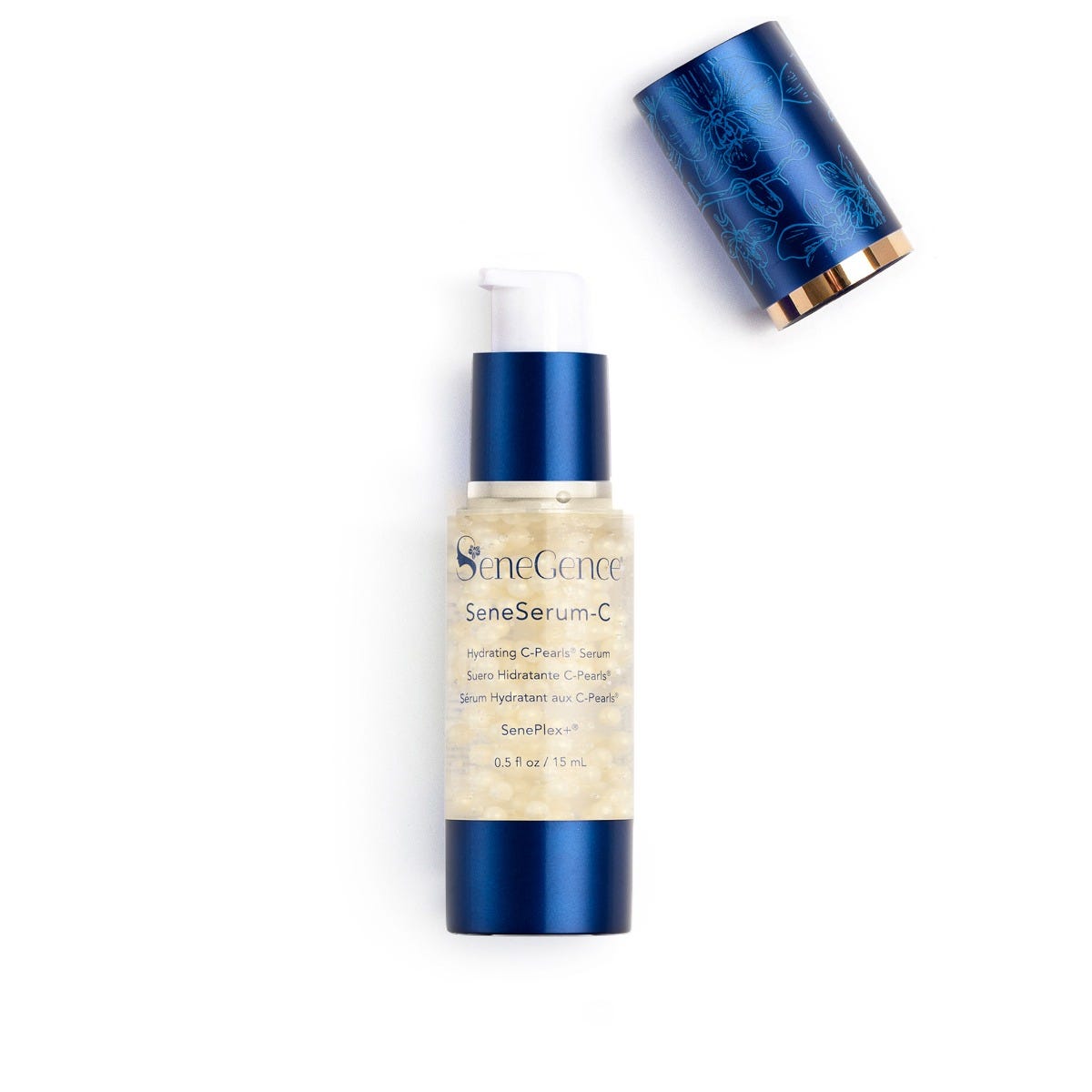
An ingredient can carry attributed lab science. The finished product closes on what the client sees and feels.
for the professional
Supplier research can explain why an ingredient was selected. Attribute it to the ingredient and method: the peptide is shown in laboratory testing to signal fibroblasts.
Then close the finished product on appearance: skin looks firmer and more resilient. Do not turn ingredient-level activity into a finished-product clinical result.
for the skintellectual
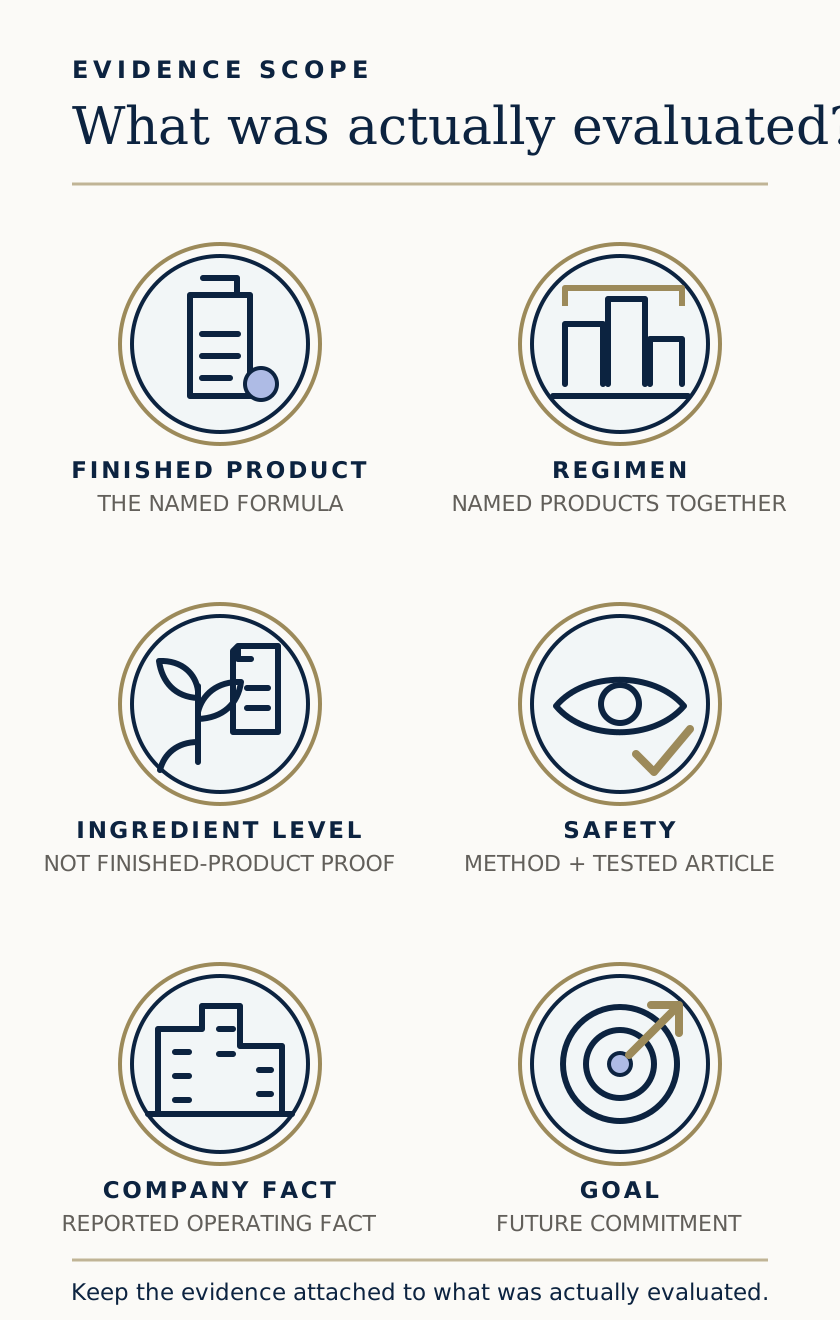
Keep three evidence levels distinct.
- INGREDIENT
- supplier or laboratory evidence on the named material
- FINISHED PRODUCT
- evidence on the complete formula
- REGIMEN
- evidence on the named products used together
A shared ingredient does not transfer a result across those levels. The formula, concentration, carrier, directions, endpoint, and test design all matter.
see the supporting visual 1 visual
card 04
A clinical statement keeps its complete scope
for the marketer
A strong result stays strong when it keeps the tested product, endpoint, timing, and source together.
for the professional
Build the sentence in this order.
Never round, upgrade, or lend the result to a neighboring formula.
for the skintellectual
In study language, the article is the tested product or regimen. Keep that name with the endpoint, timepoint, qualifier, and source; move the method, sample, comparator, and significance into the linked study detail.
Use “independently tested” when a named third-party lab ran the study. Do not substitute “FDA-approved,” “peer-reviewed,” or “published” unless that separate status is documented. Cosmetic studies are not FDA product approvals.
card 05
Confidence includes the right handoff
for the marketer
We educate on beauty. We do not diagnose. The right handoff protects trust, clarity, and the client relationship.
for the professional
Describe what you observe: dry-looking, congested-looking, uneven-looking, or sensitive-feeling skin. Recommend within cosmetic use and product directions.
If the question asks for a diagnosis, treatment plan, prescription change, or medical outcome, pause the recommendation and refer the client to a qualified healthcare professional.
for the skintellectual
FTC and FDA responsibilities meet in the full sales context. Keep claims truthful and substantiated. Use the platform's paid-partnership or Brand Affiliate label when it accurately identifies the relationship; add clear spoken or caption wording when the relationship would otherwise be missed. Medical questions require a professional handoff.
Lead with the visible benefit, explain the science accurately, keep evidence at its earned scope, and know when the question has moved beyond cosmetics.
keep exploring