Pairings & Routines
What you need with LipSense
The LipSense kit is four decisions: LipSense Long-Lasting Liquid Lip Color for the shade, LipSense Moisturizing Gloss for the finish and the daily refresh, LipSense Ooops! Lip Color Remover for correction and clean removal, and the LipSense Long-Lasting Lip Liner Pencil when the edge matters. LipSense Cream is a separate one-layer, no-Gloss formula.
Start LipSense with Color and Moisturizing Gloss
LipSense begins with two products working together.
LipSense Long-Lasting Liquid Lip Color lays the shade down and keeps it there. LipSense Moisturizing Gloss goes over the top, and the color is not finished until it is on.
Buy the two together the first time and nobody has a disappointing first day. LipSense Cream is a different formula altogether: one even layer, no Gloss.
Explore LipSense® pH Glossy Tint for bare-lip color or clear shine over LipSense Color.
how to use it
Select LipSense Long-Lasting Liquid Lip Color first, then the LipSense Moisturizing Gloss that matches her preferred comfort and finish. Present both at checkout, because layered Color finished with Gloss is the method. Present LipSense Cream as its own separate service; it goes on in one even layer and asks for no Gloss.
the science
The Permeable Polymer Matrix builds LipSense Long-Lasting Liquid Lip Color's breathable color film, while a compatible LipSense Moisturizing Gloss changes surface slip, shine and conditioning feel. Two different formula jobs, which is why they are sold as a pair. For the full film-and-Gloss explanation, see How Does LipSense Work?.
Customize tint, sheen, and dimension with Gloss
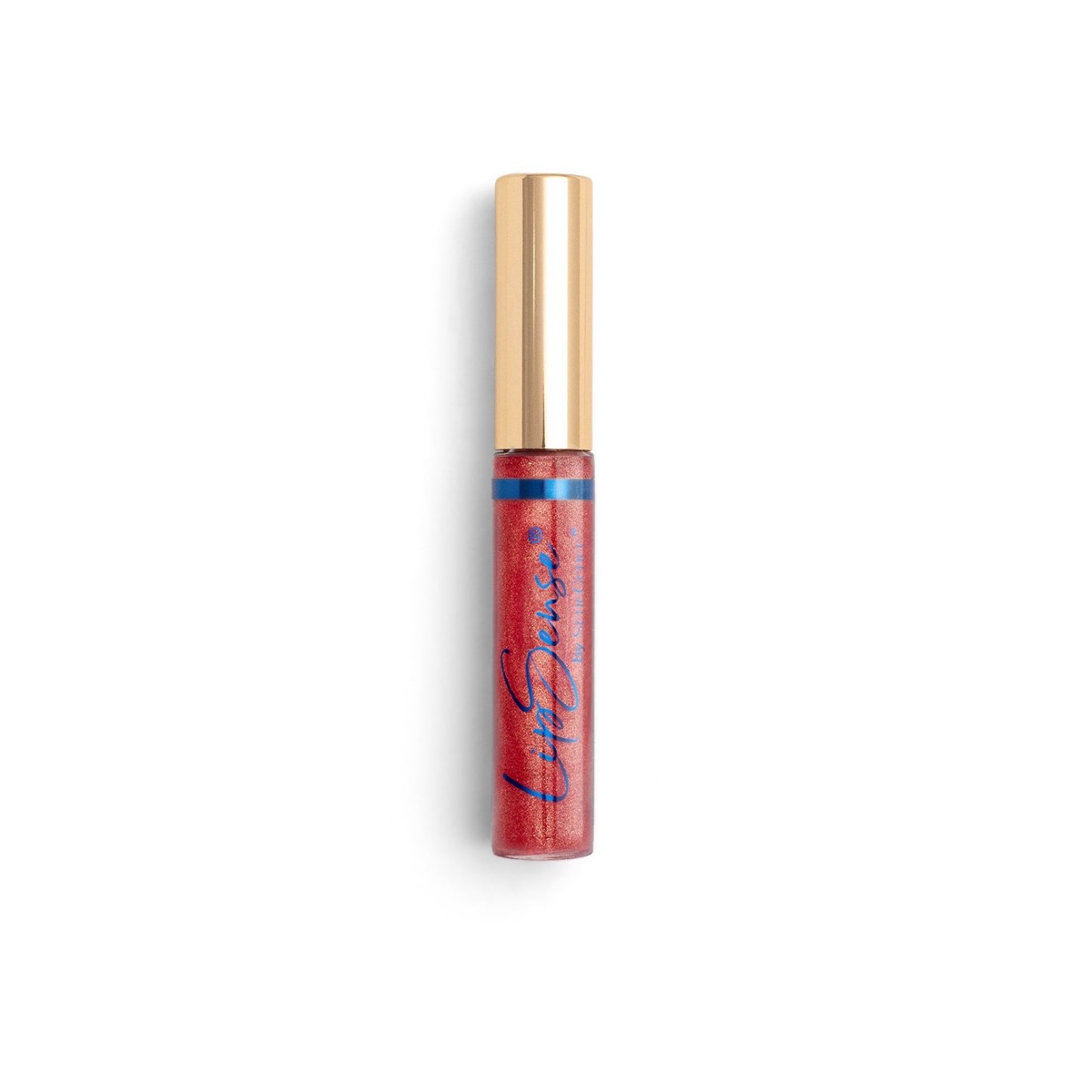
One shade, and as many finishes as you want.
Once the color layers set, LipSense Moisturizing Gloss is the part you get to play with: choose one, blend two into something nobody else has, or stack finishes for depth. Tint, sheen, and dimension all move. The shade does not.
That is why a small gloss drawer beats a big lipstick drawer.
how to use it
After the color layers set, help her select one compatible LipSense Moisturizing Gloss, combine glosses into a custom blend, or stack gloss finishes. Compare tint, sheen, and dimension in the same light used for shade selection. Keep the color order unchanged while you compare, then record the full combination. Layered LipSense color
the science
Gloss acts on a color film that has already formed, so the pigment stack and the surface finish are two independent visual stages. Selecting, blending or stacking compatible Glosses changes tint, reflected light and apparent dimension without rebuilding the pigment layers.
Keep Gloss ready through the day
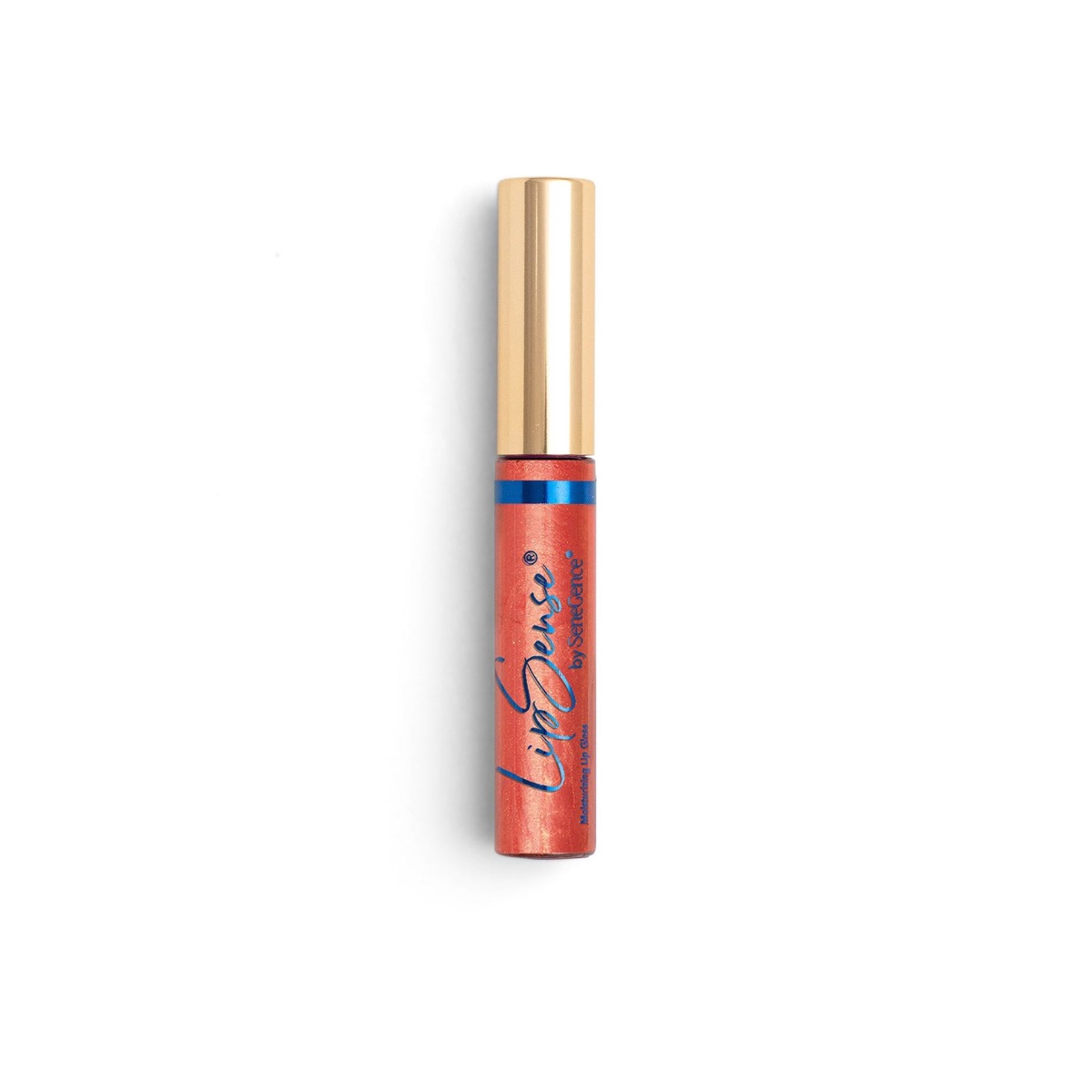
Your color is already fixed. The only thing that ever needs topping up is the shine.
One swipe of LipSense Moisturizing Gloss brings the slip and the light back, and it takes about as long as checking your phone. No mirror session, no rebuilding, no starting the day over at three in the afternoon.
Keep it in the bag you carry, not the kit you pack for occasions.
how to use it
At the end of the service, show her how little Gloss a surface refresh needs, and place it in the daily-use bag rather than the occasional kit. For bridal or set work, label each client's Gloss for hygienic touchups. Reapply to restore the chosen finish; do not restart the color layers unless the look is coming off.
the science
A Gloss refresh works on the outer surface while the set color film stays where it is. Because each layer keeps to its own surface, a touchup restores slip and luster rather than adding pigment, and one repeatable swipe holds the chosen finish through normal wear.
Add LipSense Ooops! Lip Color Remover before the first wear
Color built to survive dinner needs something built to take it off.
LipSense Ooops! Lip Color Remover belongs in the first purchase, ready for the first wear. It corrects a wobbly edge while you are applying, makes a shade change easier, and gives the set color film a gentle end-of-day exit.
Dip the wand, gently work the applicator over the color, and wipe clean with tissue. The precision wand and conditioning, oil-based formula turn removal into a controlled final step instead of a scrub.
how to use it
Keep LipSense Ooops! Lip Color Remover at the station for precise edge correction, then include it in her first kit for removal at home. Dip the wand, gently work the applicator over the color, and wipe clean with tissue. Use the precision wand on the exact spot that needs correction or across the full lip at the end of wear; choose Fooops! Dual Phase Color Remover for broader face-and-eye color removal.
the science
Every part of Ooops! has a job: Isostearyl Alcohol, Polybutene, Isohexadecane, and Coco-Caprylate form the oil-based spreading, softening, and makeup-release side of the formula, while Retinyl Palmitate, Panthenol, Tetrahexyldecyl Ascorbate, and Tocopheryl Acetate support conditioning and moisture around the lip area. The finished formula and precision wand give long-wear color a controlled, gentle system endpoint: dip the wand, gently work the applicator over the color, and wipe clean with tissue. Remove the bond without scrubbing
Use the LipSense Liner Pencil when the edge matters
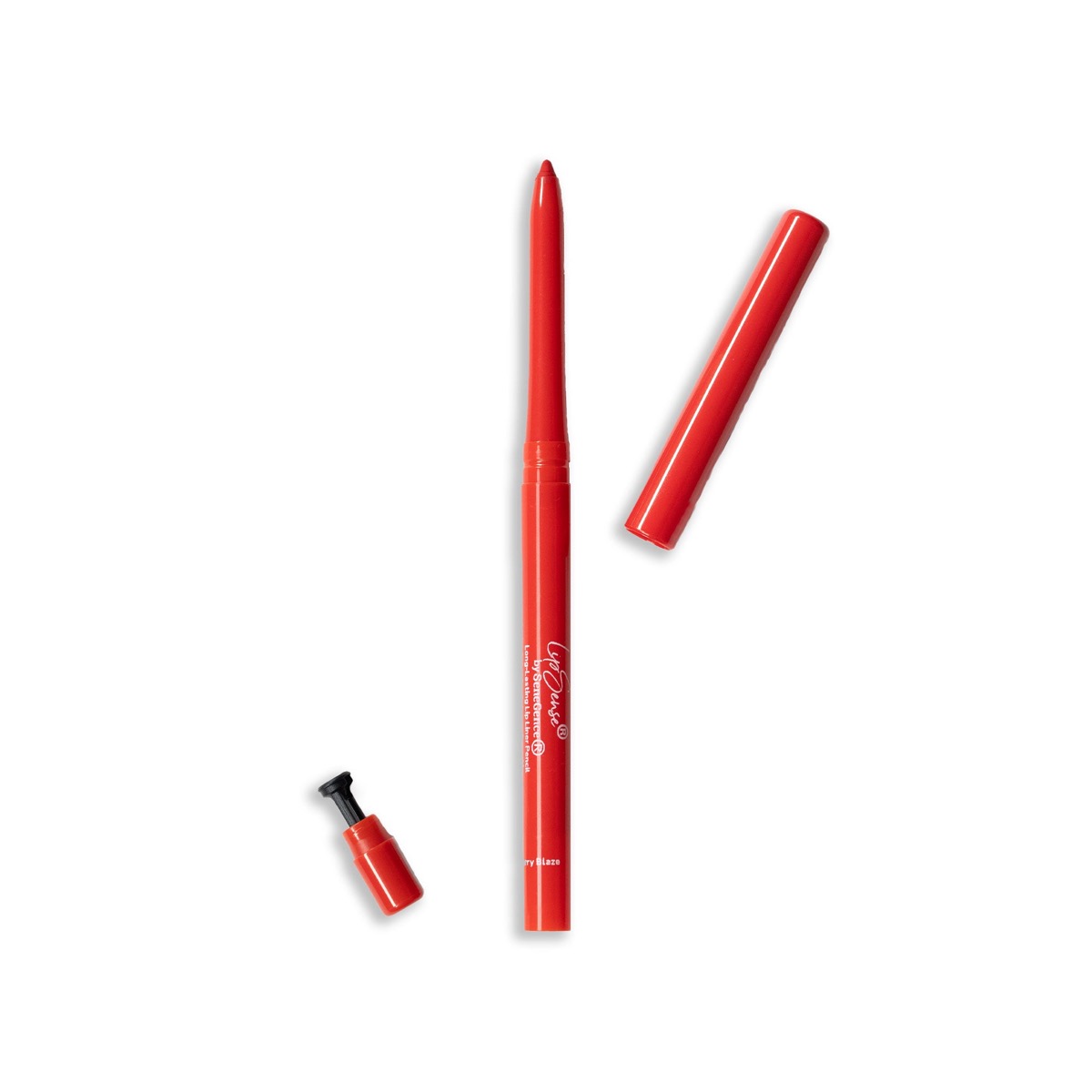
Liner is not part of the LipSense system. It is a tool for the days when the edge is the point.
LipSense Long-Lasting Lip Liner Pencil wears all day in a waterproof, smudge-resistant formula that won’t feather or fade, so it holds a bold perimeter, corrects asymmetry, and survives a camera close-up.
If the look wants a soft, diffused outline, skip it. Let the soft edge stay soft.
how to use it
Map the shape with light strokes, fill with matching color, and sharpen the point as needed. For asymmetry, a bold perimeter, or a camera-ready edge, LipSense Long-Lasting Lip Liner Pencil sets the outline before LipSense Color fills it in. Skip it for a softly diffused edge.
the science
The current pencil uses Palmitoyl Tripeptide-1, Hydrogenated Jojoba Oil and Isoamyl Laurate in a creamy, matte, waterproof film. It changes the geometry and the edge finish while leaving the Color-and-Gloss relationship underneath intact. That is why you reach for it when the edge is the point and leave it out when it is not.